Understanding Craving Control: How Fiber, Blood Sugar & Appetite Hormones Interact
Craving control involves a mix of blood sugar stability, physical fullness signals, and appetite-hormone regulation — not just willpower.
Understanding the mechanisms helps set realistic expectations for ingredients like glucomannan, garcinia and chromium.
Blood sugar swings and cravings
Sharp blood sugar spikes followed by crashes are a well-documented trigger for intense carbohydrate and sugar cravings. Chromium picolinate's role in insulin sensitivity is positioned to help smooth out these swings.
Physical fullness (satiety) signals
Glucomannan is a soluble fiber that absorbs water and expands in the stomach, physically triggering fullness signals earlier in a meal — a mechanical, rather than hormonal, approach to appetite control.
Garcinia cambogia's proposed mechanism
Garcinia's HCA is studied for inhibiting citrate lyase, an enzyme involved in converting excess carbohydrates into fat, and some research suggests a secondary effect on serotonin that may reduce emotional eating — though evidence here is more mixed than for glucomannan or chromium.
Our bottom line
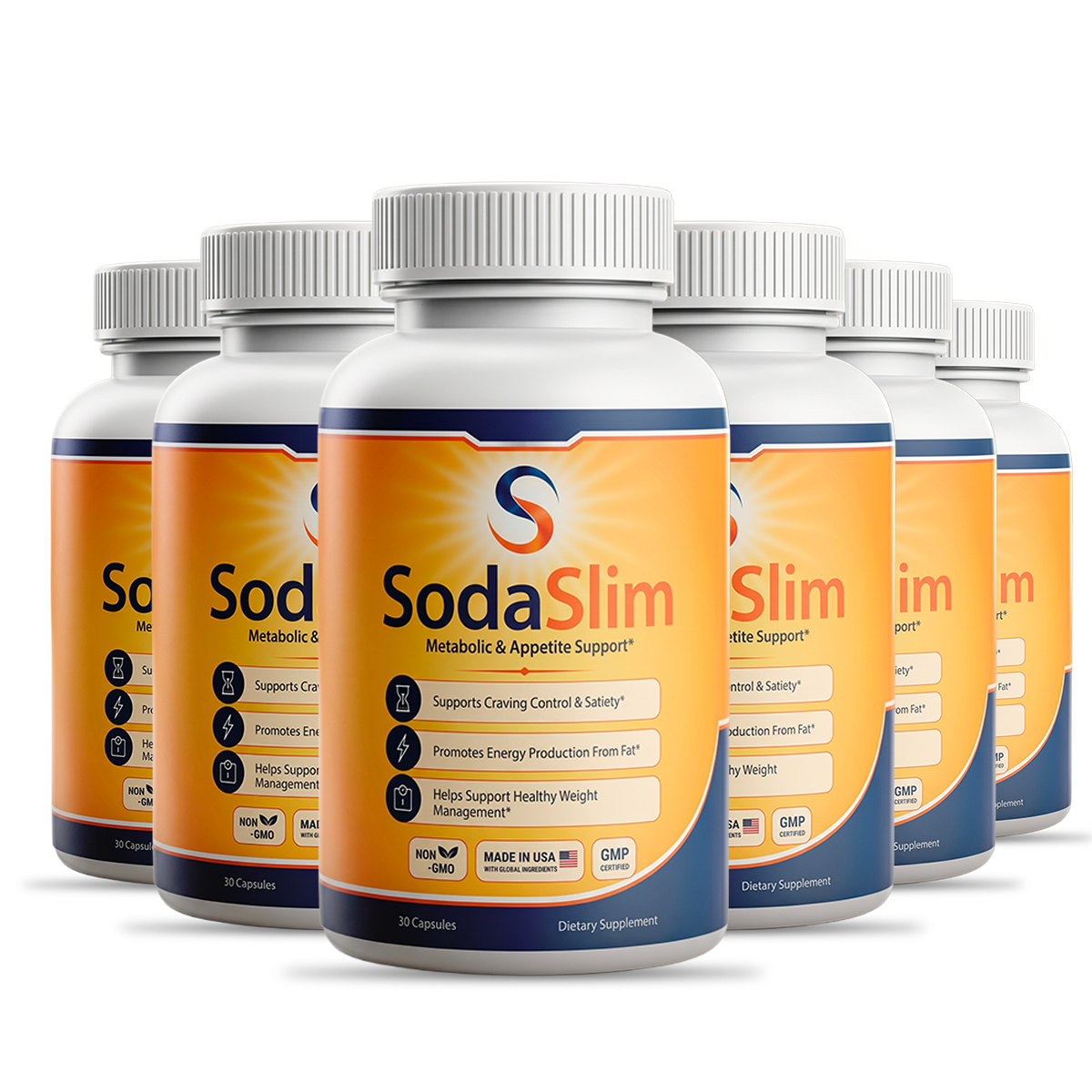
Craving control is a real, multi-mechanism phenomenon, and SodaSlim's ingredient selection reflects that. See the full ingredient breakdown for the complete picture.